
Whole-House Water Filtration in Fishers, IN
One system at the point where water enters the house, so the shower, the laundry, the ice maker and the water heater all get the same treated water.
One System, Every Tap
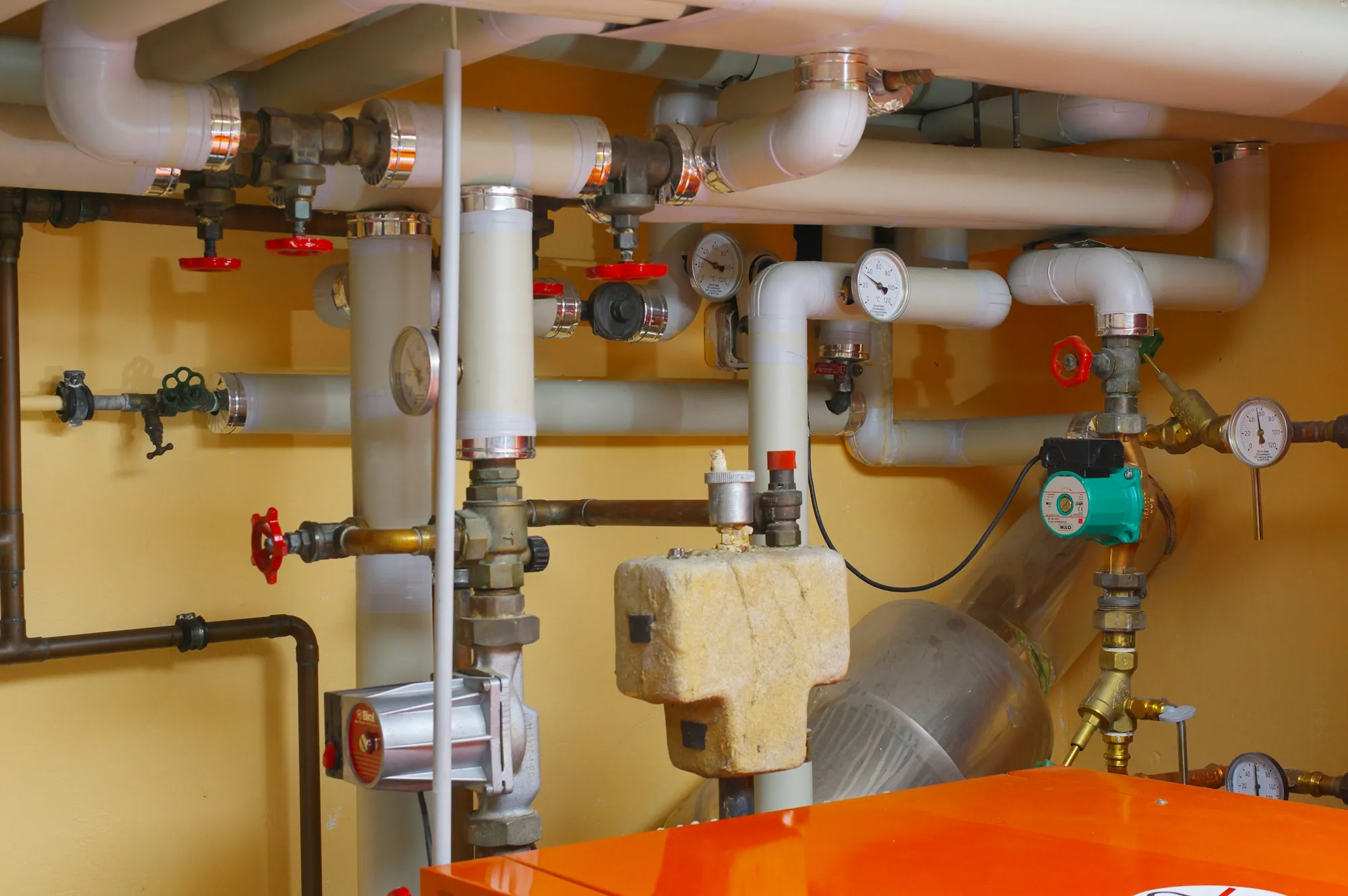
A whole-house filter sits where the service line comes into the house, usually within a few feet of the meter or the pressure tank, and everything downstream of it drinks from the same treated supply. That is the appeal, and it is a real one: you are not buying a filter for the kitchen and then discovering that the shower head is still scaling and the washing machine is still eating detergent. You treat the water once, at the front door, and the whole house benefits.
It is also where the most expensive mistakes get made, because a point-of-entry system has to be sized to two things at once — what is in the water, and how much water the house moves at peak. Get the chemistry right and the flow rate wrong and you have a system that works beautifully until two showers and a dishwasher run at the same time, at which point the pressure drops and the family starts resenting the thing in the basement. Get the flow right and the media wrong and you have an expensive sediment filter that does nothing about the taste anybody complained about in the first place.
A good share of our whole-house work in Fishers is not first installations at all. It is houses where somebody already put a system in — sometimes a previous owner, sometimes a door-knocker, sometimes a big-box unit a homeowner installed themselves one Saturday — and it has not been touched since. We service those as readily as we install new ones, and we will tell you honestly when the existing tank is worth keeping and when it is not.
What a Point-of-Entry Install Covers
Every whole-house job we quote includes the same scope, whether it is a new system or a replacement for one that gave up.
-
A water test before the recommendation
Hardness, iron, chlorine or chloramine, TDS, pH and, on well supplies, a bacteria screen. The media selection follows the numbers. We do not decide what you need before we have measured what you have.
-
Flow-rate sizing to the house, not the brochure
We count the fixtures, look at the service line diameter and the pressure at the hose bib, and size the tank so peak demand does not collapse the pressure. A 10-inch tank on a four-bath house is a complaint waiting to happen.
-
A proper bypass valve
Three-valve or integrated, so the system can be taken out of service for a cartridge change or a repair without shutting water off to the whole house. Systems plumbed in hard, with no bypass, are the single most common thing we find and fix on other people's work.
-
Drain and overflow provisions where the system needs them
Backwashing media tanks need a drain line with an air gap. Where there is no floor drain nearby we work out the route before install day rather than improvising with a garden hose.
-
Clean plumbing transitions
Copper, PEX or CPVC matched to what is already there, unions at the inlet and outlet so the tank can come out in one piece years from now, and the whole assembly supported rather than hanging off the pipe.
-
A commissioning run and a labeled system
We flush the media, check the pressure drop under load, and leave a label on the tank with the media type, the install date and what to expect at the next service interval.
How the Job Runs
We test the water and talk through what it says
Usually a single visit. You get the numbers, in writing, along with a plain explanation of which of them are actually causing the problems you noticed and which are just numbers.
We propose a system and a scope you can read
Media type, tank size, control valve, where it will sit, what plumbing changes it needs, and what it costs. If a softener belongs in the train as well, we say so and price it separately rather than bundling it invisibly.
Install day, usually one day
Water off for a couple of hours in the middle. Most point-of-entry installs in a Fishers basement or garage are done between morning and mid-afternoon, including the drain run.
We commission it and show you the bypass
Before we leave, you know how to put the system in bypass, what the gauge should read, and what a cartridge change costs so there are no surprises in eighteen months.
We come back for service
Carbon beds exhaust, sediment prefilters load up, control valves need their seals. We schedule the next visit rather than waiting for the water to go bad again.
Why Homeowners Call Us For This
We size from measurements
Hamilton County water is not uniform. A house on municipal supply near 116th and a house on a well out toward Fortville need different systems, and the test tells us which is which.
We inherit other people's systems
If something is already installed and underperforming, we would rather diagnose it than rip it out. Plenty of them need a media change and a valve rebuild, not a replacement.
We stay after the sale
The install is the easy part. The reason a filtration system is still working in year six is that somebody kept servicing it, and that is the part of this business we actually built around.
On every job of this kind
- Water test before any recommendation
- Bypass valve on every install
- Flow-rate sized to the house
- Service intervals scheduled, not guessed
Find Out What Is Actually In Your Water
(317) 743-2115A test takes about twenty minutes and it decides everything that comes after it. Call and we will come out to the house, run the numbers with you at the kitchen counter, and tell you plainly whether a whole-house system is the right answer or whether something smaller solves it.
Free water test with every estimate. Written scope before anything is installed.